What do henbit, poa annua, little barley and dandelions have in common?
Well, for starters, they’re nasty old weeds.
But there is something else they have in common: fall is an extremely important time in their life cycle—and in our opportunity to control them.
This is the time of year when it’s really easy to stop caring about the lawn.
You’ve spent all summer watering it, mowing it, staring at brown spots, fighting the Oklahoma heat and wondering whether grass was really worth all this trouble in the first place. Football is back. Temperatures are finally cooling off. The Bermuda is slowing down.
We’ll worry about the lawn again in spring, right?
Unfortunately, the weeds have not agreed to this arrangement.
The Weed Problem You See in March Probably Started in September
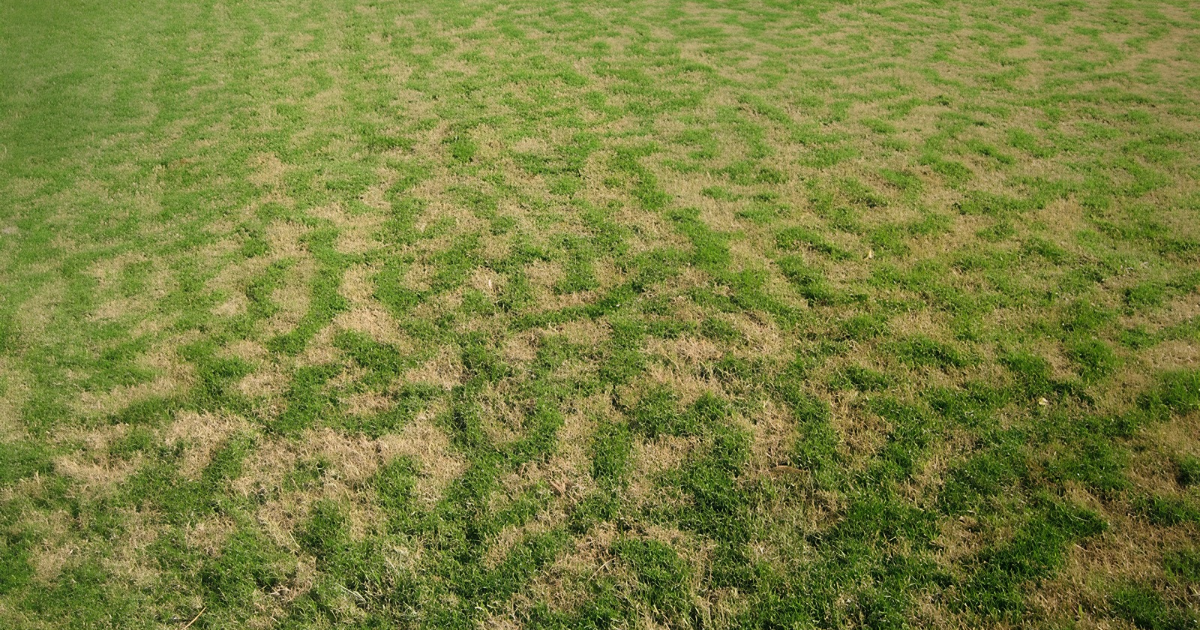
Many of the weeds that make a Bermuda lawn look terrible in late winter and early spring actually germinated months earlier.
Henbit, annual bluegrass—better known as poa annua—and several other winter annual weeds begin germinating in the fall. They can spend much of the winter as tiny plants tucked down inside the turf canopy, patiently waiting for conditions to improve.
Then we get a few warm February or March days and suddenly it looks like the weeds showed up overnight.
They didn’t.
They’ve been plotting against you for months.
That’s why fall pre-emergent is such an important part of a good lawn program.
Pre-emergent isn’t designed to chase weeds around after they’ve taken over the lawn. The goal is to create a barrier in the soil that controls susceptible weeds as they germinate.
In other words, instead of fighting the weed later, we’re trying to prevent the fight from ever happening.
And, whenever possible, that’s a much easier battle to win.
“Can’t We Just Spray Everything in the Spring?”
This is probably the most logical question.
If the Bermuda is dormant anyway, why not just wait until February or March and spray whatever weeds show up?
Sometimes we absolutely do use post-emergent herbicides during that period. But relying entirely on spring cleanup puts us in a much more reactive position.
There are a couple reasons for that.
First, some weeds can be surprisingly difficult to hit when they’re young.
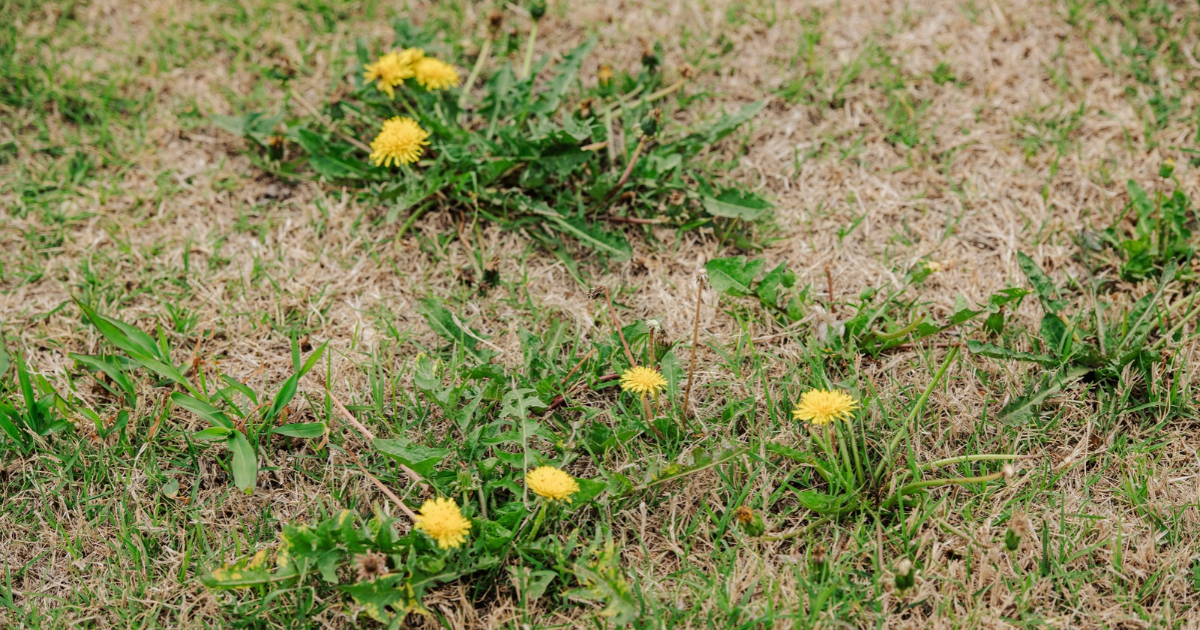
Think about a tiny dandelion sitting down underneath a canopy of dormant Bermuda. There may only be a few small leaves exposed at the surface. If our spray doesn’t actually make good contact with those leaves, we can’t expect the herbicide to do much.
Meanwhile, underneath that innocent-looking little plant is the beginning of the taproot dandelions are famous for.
Think Titanic iceberg.
The little bit you’re looking at on top may not tell the whole story about what’s happening underneath.
Dandelions are actually perennial weeds rather than winter annuals, which is why we attack them a little differently. But they illustrate an important point: waiting until weeds become obvious isn’t necessarily the easiest time to control them.
Cold Weather Doesn’t Make Things Easier
Temperature can complicate things too.
Most post-emergent herbicides work best when the weeds we’re trying to control are actively growing.
When we’ve had very cold weather, plant growth and metabolism slow down. Even when we get herbicide onto the weed, control can be slower and, depending on the weed, product and conditions, sometimes less consistent than it would be during active growth.
That’s another reason we don’t like building an entire weed-control strategy around:
“Eh, we’ll kill it in the spring.”
We probably can kill a lot of it.
We’d just rather not have to.
Fall Isn’t the End of Weed Season. It’s the Beginning.
That’s really the point.
When your Bermuda starts going dormant, it feels like lawn season is ending.
From the weed’s perspective, an entirely new season is beginning.
Cooler soil temperatures, shorter days and fall moisture create conditions where winter weeds can begin establishing themselves. They may not look impressive yet, but they’re getting ready for their spring debut.
So if you’re thinking about skipping the fall weed-control application because the lawn “is basically done for the year,” we’d encourage you to think about it differently.
The weeds you’re going to be mad about next March may be germinating right now.
Spring weed control starts in the fall.
Don’t take the fall application off.