As we head into November, we’re getting close to the time of year when Oklahoma’s first freezes often arrive.
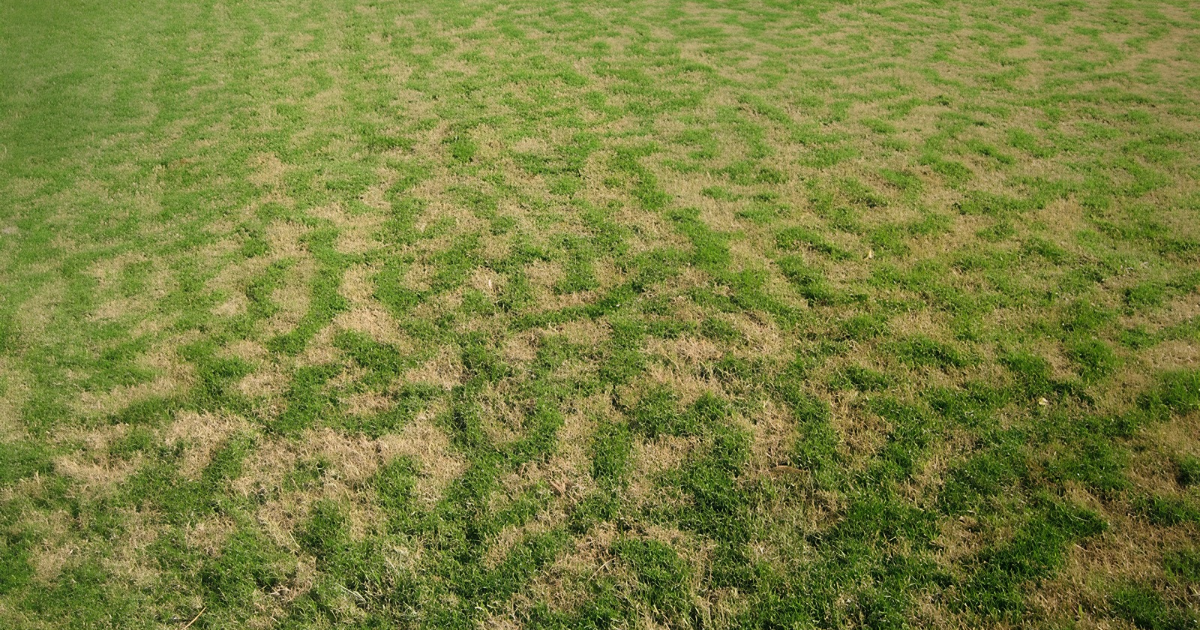
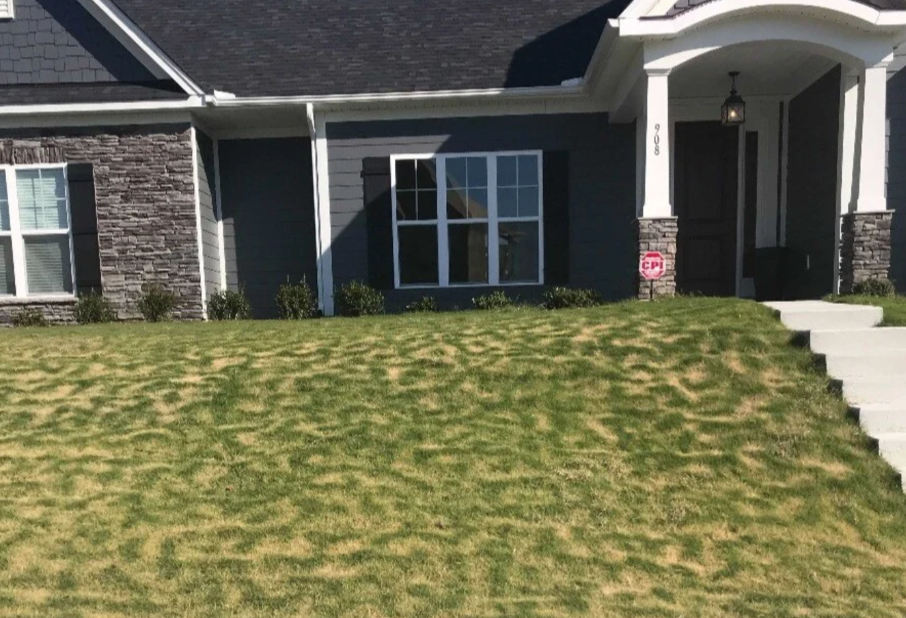
And when that first frosty night comes along, some homeowners might wake up to something pretty strange: green-and-brown stripes, swirls, or camouflage-like patterns covering an otherwise ordinary bermudagrass lawn.
Before you wonder what your Willis technician did to your yard, don’t worry. Nobody was out there painting stripes on the grass!
This interesting phenomenon is commonly called tiger striping, and it can occur as bermudagrass transitions into winter dormancy.
What causes tiger striping?
As temperatures fall, bermudagrass starts going dormant. The blades eventually turn brown, but the change does not always happen uniformly. Under certain conditions, uneven frost formation and tiny differences in temperature or air movement near the lawn surface can cause some grass blades to be injured by frost while neighboring blades remain green.
Those differences can create remarkable wavy or striped patterns. The effect is often most visible in dense bermudagrass turf just after the first frost events.
Is the lawn damaged?
The pattern may look dramatic, but tiger striping is usually a cosmetic effect involving the grass blades—not proof of disease, insects, or a bad lawn treatment. As more cold weather arrives, the remaining green blades generally turn brown and the pattern blends into ordinary winter dormancy.
That said, not every patterned lawn is tiger striping. If discoloration persists well beyond dormancy or comes with thinning and dead patches in spring, other causes could be involved.
Do you need to do anything?
Usually, nope! Tiger striping itself generally doesn’t require a special treatment. Continue normal seasonal maintenance, including watching soil moisture during prolonged dry weather.
The bottom line
If your lawn suddenly looks like it belongs on an African safari after our first frosts, don’t panic. It may just be Mother Nature showing off a little before winter.