Some of y’all are just waiting for that Oklahoma wind to blow your leaves into the neighbor’s yard. We see you. 😂
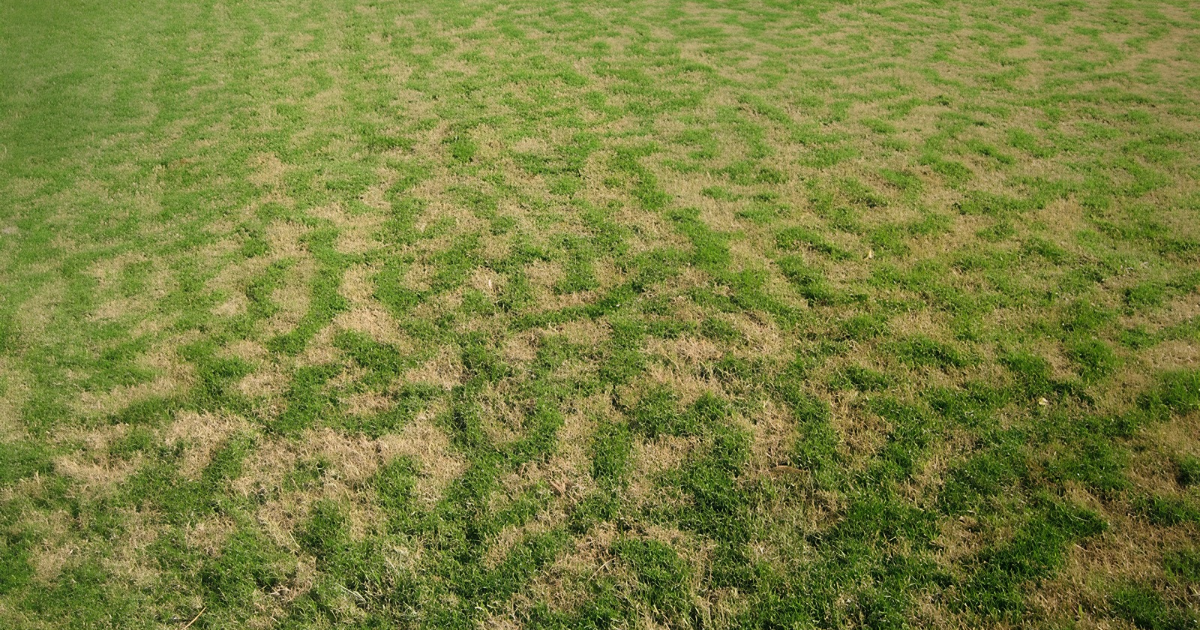
Every fall, Oklahoma’s beautiful trees put on their annual show and then promptly dump the entire thing onto our lawns. But before you fire up the leaf blower, here’s something you might find surprising: those fallen leaves can actually be good for your lawn.
Leaves can actually help your soil
We’re not here to tell you every last leaf has to go. Fallen leaves contain organic matter and nutrients that can benefit the soil as they break down. If you mulch them into small pieces with your mower, those pieces decompose more readily and can contribute to healthier soil over time.
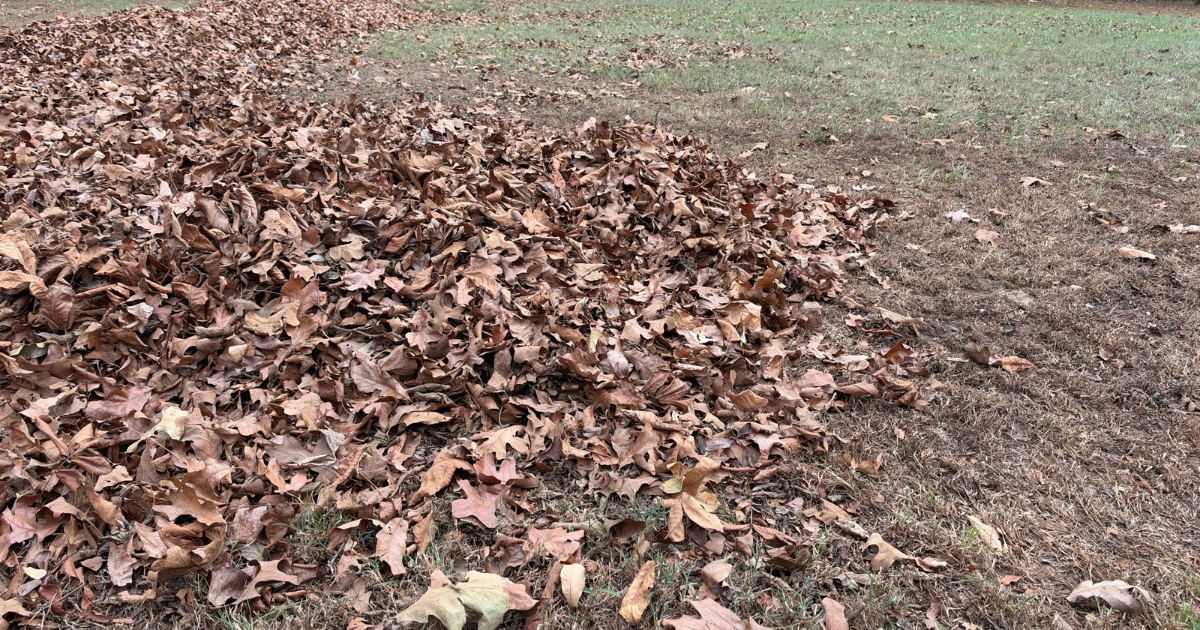
A little scattering of leaves across a lawn? Usually no big deal. A thick, matted blanket where you cannot see the grass underneath? That’s a different story.
Problem #1: We can’t treat what we can’t reach!
One of our biggest concerns with excessive leaf buildup is something homeowners may not think about: it can interfere with our weed control applications.
Many Willis treatments include pre-emergent herbicides that need to reach the upper soil layer and be activated by moisture. But when the lawn is buried under thick piles of leaves, much of the sprayed material can land on the leaves instead of on the turf and soil underneath.
And even after rain or irrigation, a dense layer of leaf debris can interfere with the treatment moving into the soil where it belongs. The result may be reduced or inconsistent coverage of the areas we are trying to protect.
That doesn’t mean a few scattered leaves will ruin an application. We’re talking about the thick piles and heavy accumulations where the ground is effectively hidden under debris.
Problem #2: Fescue doesn’t want to sleep under a wet blanket
This is especially important for tall fescue lawns. Unlike dormant bermudagrass, fescue is a cool-season turf that can remain green and actively grow during mild fall and winter weather. It needs light and air, not a soggy blanket.
When a deep layer of leaves settles over the grass, it can block sunlight, press the blades down, and reduce airflow. Add rainfall or irrigation, and those matted leaves can hold moisture over the fescue for long periods. The result can be weakened, thinned, or smothered turf, and prolonged leaf wetness may favor some lawn diseases.
Fescue does not spread to fill bare areas as aggressively as bermudagrass, so avoidable damage can be especially frustrating.
What should you do with your leaves?
- Don’t chase every single leaf. A light covering is generally not the problem.
- Mulch leaves when possible. Chop them finely enough that grass stays visible and you don’t leave heavy clumps behind.
- Remove heavy piles. If the grass is buried, rake, blow, bag, or redistribute the excess.
- Give fescue extra attention. Don’t let wet, matted leaves sit on actively growing fescue for extended periods.
- Clear excessive leaf accumulation before scheduled weed control. Helping the treatment reach the soil helps us do our best work.
The bottom line
We aren’t asking you to spend every Saturday chasing leaves across the yard. Mulched leaves can do your soil some good! We just don’t want thick piles blocking weed control applications or smothering your fescue.
So leave a few, mulch what you can, and clean up those heavy accumulations. Your lawn will thank you—and your Willis technician probably will too.