Well, Oklahoma, we made it. Summer is finally over!
At least, we think it is. Around here, it could be 35 degrees on Monday and 85 by Wednesday.
If you thought this summer was particularly miserable, you weren’t imagining things. According to Oklahoma Mesonet reports discussed in our planning, 2026 ranked as Oklahoma’s sixth-hottest summer on record, followed by its hottest September on record. And the rain? Apparently, it decided to take a vacation too. Statewide rainfall averaged just 0.85 inches in August, ranking it among the driest Augusts on record.
After months of scorching temperatures and thirsty lawns, we’re pretty excited about cooler weather—and we’re guessing your grass is too. But before you shut off the sprinklers for the season, there’s something important to know.
Your lawn is taking a break, but it’s still alive!
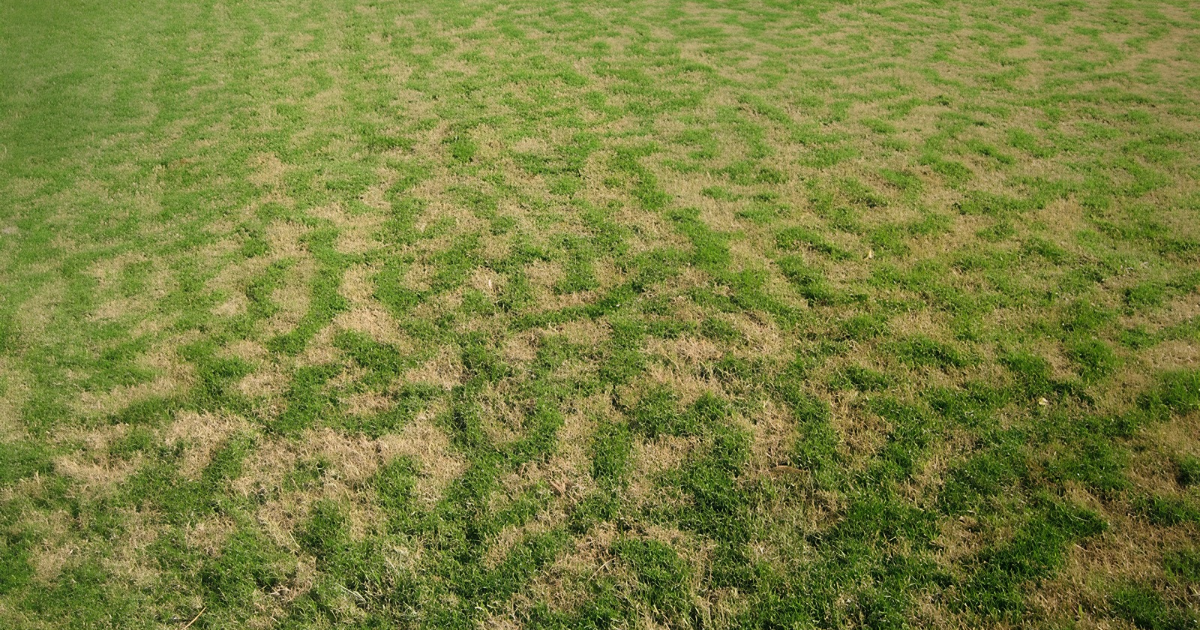
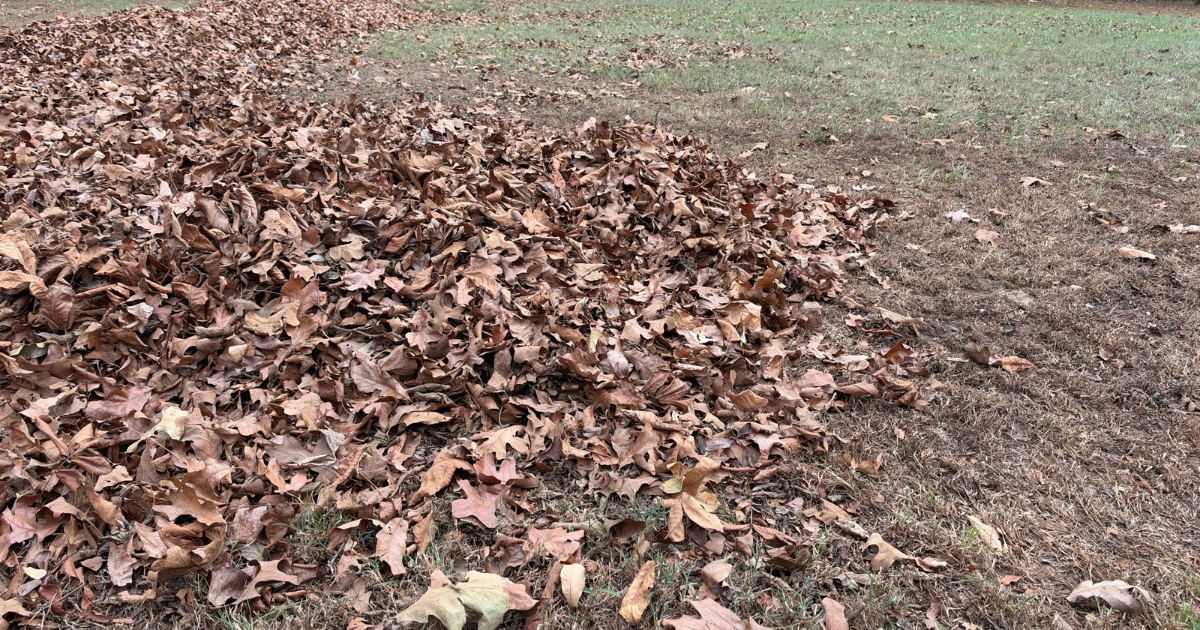
As temperatures fall, bermudagrass starts entering winter dormancy. Growth slows dramatically and the green color fades to brown. That is normal: dormancy helps warm-season turf survive cold weather. But dormant does not mean dead. Its roots, crowns, and underground stems still contain living tissue, and that tissue still needs adequate moisture to survive.
Winter water needs are much lower than summer water needs. Still, going through a long stretch of cold, windy, rain-free weather with bone-dry soil can leave bermudagrass more vulnerable to winter injury.
How can dry soil contribute to winterkill?
One risk is winter desiccation—a scientific way of saying the plant dries out. Even when grass is dormant, living tissues can lose moisture. Cold, dry air and wind can increase that moisture loss, while dry or frozen soil can limit the plant’s ability to replace it.
Think about how hands get dry and cracked in winter. Cold air and wind pull moisture away. Grass isn’t skin, of course, but the comparison is helpful: a plant that loses too much water can end up with dehydrated, damaged tissue.
If the living crowns and growing points are severely injured, some portions of the lawn may green up slowly or fail to recover in spring. That is one way winterkill can show up. Extreme cold, turf health going into winter, and other factors can also contribute—dryness raises risk; it does not guarantee damage.
Can soil moisture help during a freeze?
Yes, to a point. Moist soil stores and transfers heat differently from very dry soil and can help moderate conditions around the root zone. More importantly, adequate soil moisture helps keep the living tissues from becoming severely dehydrated. But “adequate” is the key word: standing water and saturated soil are not what we’re after.
So how much should you water in winter?
The answer is: less often than in summer, but not necessarily never. Instead of leaving your irrigation controller on a summer schedule—or turning it off and forgetting it until April—watch the weather and check the soil.
- Dial back your automatic watering. As growth slows and temperatures fall, the lawn uses substantially less water.
- Let rainfall do the heavy lifting. If the soil already has good moisture, skip supplemental irrigation.
- Pay attention to long, dry stretches. If it has been several weeks without meaningful precipitation, particularly during mild, windy weather, check whether the soil is drying out below the surface.
- When irrigation is actually needed, choose a mild morning and water early enough for water to infiltrate before freezing temperatures return. Do not run sprinklers in freezing conditions or create ice on sidewalks and driveways.
- Do not overcorrect. We are trying to avoid excessively dry soil, not keep dormant grass soaked.
What about fescue?
Tall fescue is a cool-season grass, so unlike bermudagrass it can stay green and grow during mild winter weather. Its water needs can therefore differ from a dormant bermudagrass lawn. Rainfall, temperature, and soil conditions should guide irrigation for both grasses.
One important exception: Watering after weed control applications
We know—we just told you to dial back watering, and now we’re going to ask you to run the sprinklers sometimes. But there’s a reason!
When Willis applies a pre-emergent herbicide, the active ingredient needs to get into the upper soil layer where weed seeds germinate. Some spray initially lands on the turf canopy or surface debris. The rainfall or irrigation specified on the product label helps move the herbicide into the target zone and activate it.
Without the required moisture, a properly applied pre-emergent may not deliver the weed prevention results we are looking for. This is especially worth remembering during the spring pre-emergent treatment period.
So please read the instructions we provide after each Willis application and water accordingly if rainfall does not take care of it. Not every application should be watered immediately: products targeting emerged weeds may need time to stay on the leaf before watering, and mixed applications must follow their labels.
Routine winter irrigation and watering in a pre-emergent are two different jobs. Both matter—but the timing and amount for an herbicide treatment should come from your specific post-service directions.
The bottom line
Your lawn has earned a little winter vacation, and so has your water bill. Just remember that dormant doesn’t mean dead. Reduce routine watering as the weather cools, but pay attention to prolonged dry spells. And when we tell you a weed prevention treatment needs to be watered in, that is one watering you definitely want to remember.